
Introduction: Why Direct Reduced Iron Matters
The global steel industry is undergoing a major transition driven by environmental regulations, rising steel demand, and the shift toward cleaner production routes. At the center of this transformation lies Direct Reduced Iron (DRI), a raw material that has become increasingly important for modern steelmakers.
With the growth of Electric Arc Furnaces (EAFs), limited availability of high-quality scrap, and the push toward low-carbon steel, DRI has evolved from a niche product into a strategic component of global steel production.
What Is Direct Reduced Iron (DRI)?
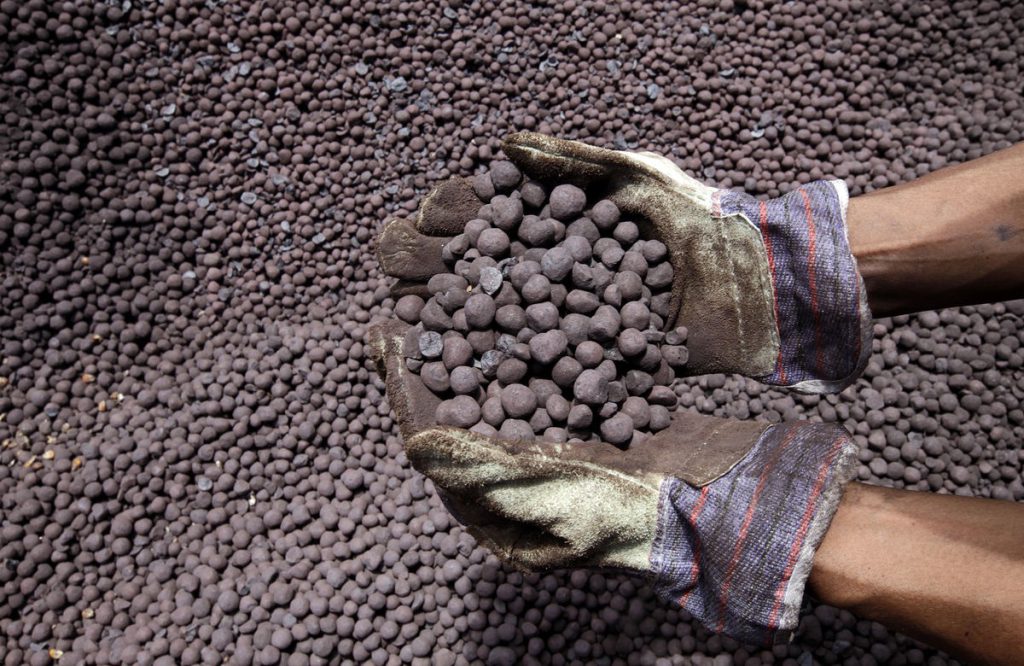
Direct Reduced Iron, commonly known as DRI or sponge iron, is produced by reducing iron ore in its solid state using a reducing gas or coal. Unlike blast furnace ironmaking, the ore is not melted during this process.
The reduction process removes oxygen from iron ore at temperatures typically between 800°C and 1,050°C, resulting in a porous metallic product with a high iron content. This porous structure gives DRI its sponge-like appearance and excellent metallurgical properties.
What Is DRI Grade Iron Ore?
DRI grade iron ore refers to iron ore that meets strict chemical and physical specifications required for direct reduction. Not all iron ore is suitable for DRI production.
DRI grade ore typically contains high iron content (usually above 65%), very low levels of impurities such as sulfur and phosphorus, and controlled silica and alumina. It is supplied in the form of pellets or calibrated lump ore to ensure stable reduction and consistent product quality.
What Is the Direct Reduction (DRM) Process of Iron?
The direct reduction method (DRM) of iron involves removing oxygen from iron oxide using reducing agents such as carbon monoxide or hydrogen without melting the iron.
The process begins with iron ore preparation, followed by the generation of reducing gas. This gas reacts with iron oxide, gradually converting it into metallic iron. The resulting DRI is then cooled and discharged for use or further processing.
What Is DRI and HBI?
DRI and HBI are closely related products, but they serve different logistical purposes. Hot Briquetted Iron (HBI) is produced by compressing hot DRI into dense briquettes.
HBI has higher density and mechanical strength, making it safer for storage, handling, and long-distance transportation. As a result, HBI is widely traded internationally, while DRI is often consumed near the production site.
What Is DRI and EAF Steelmaking?
The combination of DRI and Electric Arc Furnaces (EAF) has become a cornerstone of modern steelmaking. EAFs traditionally rely on scrap, but scrap quality and availability can be inconsistent.
DRI is used in EAFs to supplement scrap, improve steel chemistry control, reduce impurities, and increase productivity. Many steel producers now use a blend of scrap and DRI to achieve consistent quality and operational efficiency.
Hydrogen Direct Reduced Iron: The Future
Hydrogen direct reduced iron represents the next evolution of the DRI process. By using hydrogen as the reducing agent instead of carbon-based gases, carbon dioxide emissions can be drastically reduced.
Several steel producers are investing in hydrogen-based DRI plants as part of their long-term decarbonisation strategies, making this technology a key driver of green steel initiatives worldwide.
Uses of Direct Reduced Iron
DRI is widely used in Electric Arc Furnaces, induction furnaces, foundries, and specialty steel production. Its high purity and consistent quality make it an ideal raw material for producing high-grade steel products.
Conclusion
Direct Reduced Iron has emerged as a vital raw material in the global steel industry. Its lower environmental impact, compatibility with EAF steelmaking, and growing role in green steel production ensure that DRI will remain a strategic material for decades to come.